
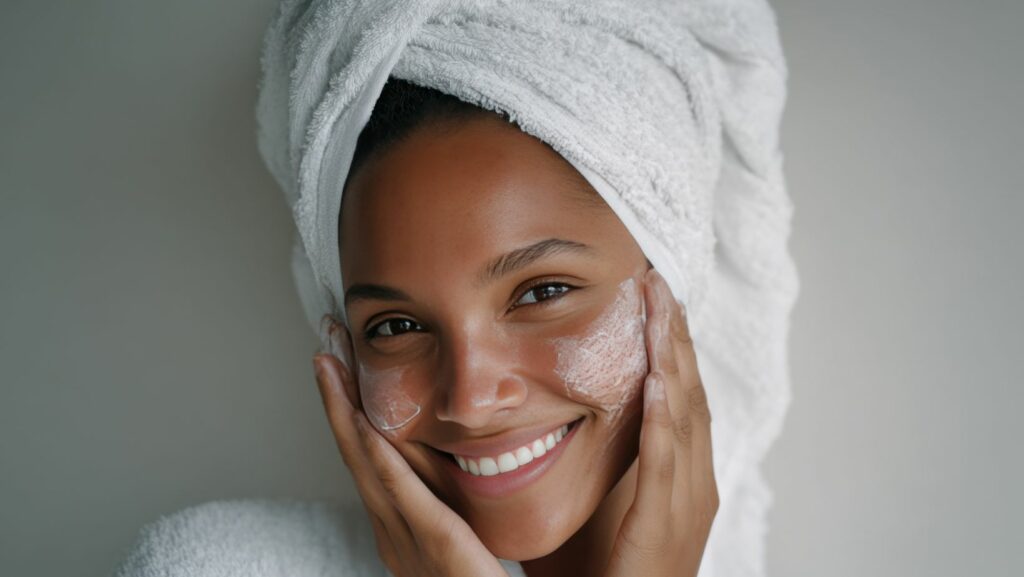
Have you ever wondered why your skin looks dull or tired despite using countless products during the day? Could it be that your nighttime skincare routine is the missing piece of the puzzle? Nighttime is when your skin naturally repairs and regenerates, making it the perfect opportunity to restore glow, hydration, and overall health. A well-structured evening skincare routine can make all the difference in achieving radiant, youthful-looking skin.
Step 1: Remove Makeup Thoroughly
The first and most crucial step in any nighttime routine is removing makeup and impurities. Makeup, sunscreen, and pollution build up on your skin throughout the day, clogging pores and preventing the skin from breathing. Using a gentle yet effective makeup remover or cleansing oil will dissolve stubborn products, including long-lasting foundation and mascara. Some people even prefer a mild 3 in 1 soap that cleanses, removes makeup, and refreshes the skin in one simple step.
After this, follow up with a mild cleanser suitable for your skin type. Cleansing twice ensures that no residue is left behind, preventing breakouts and dullness. For those with sensitive skin, opting for a fragrance-free cleanser can reduce irritation while still cleansing thoroughly.
Step 2: Exfoliate Regularly (2–3 Times a Week)
Exfoliation is key to removing dead skin cells and promoting cell turnover. However, it’s important not to overdo it. Depending on your skin type, use either a chemical exfoliant containing AHAs or BHAs or a gentle physical scrub. Chemical exfoliants are often preferred for their ability to deeply penetrate pores and stimulate collagen production, resulting in a smoother and brighter complexion.
By including exfoliation a few nights a week, your other skincare products—serums, moisturizers, and treatments—can penetrate more effectively, maximizing their benefits.
Step 3: Apply a Targeted Serum
Serums are concentrated treatments that target specific skin concerns, such as dullness, fine lines, or uneven tone. For glowing skin, look for serums enriched with vitamin C, hyaluronic acid, or niacinamide. Vitamin C brightens the complexion and reduces dark spots, while hyaluronic acid deeply hydrates and plumps the skin. Niacinamide helps regulate oil production and improve skin texture, contributing to a smooth, radiant appearance.

Gently pat the serum into your skin rather than rubbing it, as this ensures better absorption and prevents tugging at delicate areas like under the eyes.
Step 4: Nourish with an Eye Cream
The under-eye area is often one of the first places to show signs of fatigue and aging. A nourishing eye cream helps reduce puffiness, dark circles, and fine lines. Look for ingredients like peptides, caffeine, and antioxidants. Peptides help stimulate collagen production, caffeine improves circulation to reduce puffiness, and antioxidants protect against free radicals that can accelerate aging.
Applying eye cream as the penultimate step in your routine ensures that this delicate area gets the care it needs while preparing it for moisture retention from your night cream.
Step 5: Seal in Moisture with a Night Cream
Moisturizing is essential to maintain skin hydration and support its natural repair processes. Night creams tend to be richer and more emollient than daytime moisturizers, helping to lock in active ingredients from your serum. Choose a cream based on your skin type—lightweight for oily skin, and richer formulations for dry or combination skin.
Look for night creams with ingredients like ceramides, hyaluronic acid, and peptides to strengthen the skin barrier, improve elasticity, and provide deep hydration overnight.
Step 6: Treat Special Concerns
If you have specific concerns such as acne, hyperpigmentation, or fine lines, this is the time to apply targeted treatments. Retinol is a popular ingredient for anti-aging and skin renewal, while spot treatments can help control breakouts. Be cautious with potent ingredients—introduce them gradually and pair them with soothing moisturizers to prevent irritation.
Step 7: Optional: Facial Oil or Sleeping Mask
For an extra boost of hydration and glow, consider adding a facial oil or sleeping mask to your routine. Oils rich in antioxidants, like rosehip or argan oil, can nourish and rejuvenate the skin overnight. Sleeping masks provide an additional layer of moisture, particularly beneficial for dry or stressed skin, helping you wake up with a plump and radiant complexion.
Final Tips for a Successful Nighttime Routine
Consistency is key. A nightly routine may take time to show results, but sticking to it will gradually improve your skin texture, hydration, and radiance. Avoid skipping steps, especially cleansing and moisturizing, as they form the foundation of healthy skin. Also, ensure you get enough sleep, drink plenty of water, and maintain a balanced diet—skincare works best when paired with a healthy lifestyle.
By following this ultimate nighttime skincare routine, you can give your skin the care it needs to regenerate, repair, and glow naturally. Each step works synergistically to nourish, protect, and rejuvenate, leaving you waking up with healthier, brighter, and more radiant skin every morning.