
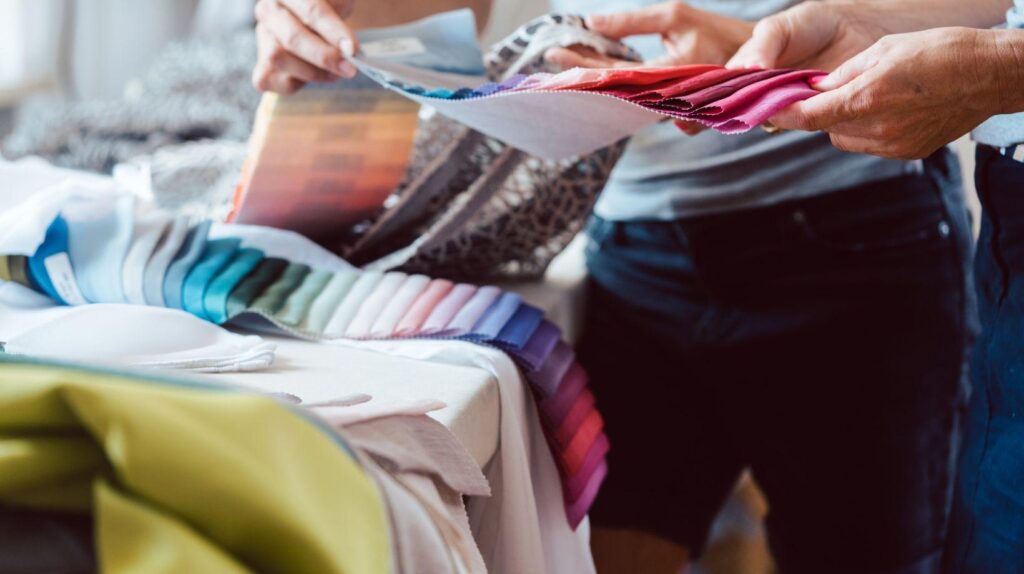
When we shop for clothing, how often do we think about what our garments are made of? Do we consider how fabrics feel against our skin, where they come from, or what chemicals may be involved in their production? While style, comfort, and price often influence purchasing decisions, the materials behind our clothes can also have a significant impact on both personal well-being and environmental sustainability.
As consumers become more aware of the connection between everyday choices and long-term health, many are turning toward eco-conscious brands that prioritize responsible materials, ethical manufacturing, and safer alternatives. Choosing sustainable fabrics is not only about protecting the planet—it is also about making thoughtful decisions about what we allow to touch our bodies every day.
Why Fabric Choices Matter for Our Health
Clothing is in constant contact with our skin, sometimes for many hours a day. This makes fabric quality an important consideration, especially for children, teenagers, and people with sensitive skin. Some conventional textiles involve intensive chemical processing, dyes, and treatments designed to improve durability, wrinkle resistance, or appearance.
While clothing regulations require manufacturers to meet safety standards, some people may experience skin irritation or discomfort from certain fabrics, dyes, or finishes. Synthetic materials that do not allow the skin to breathe can sometimes contribute to feelings of overheating or discomfort, especially during physical activity or warmer weather.
Natural and responsibly produced fibers are often chosen by consumers who want softer, more breathable options. Materials such as organic cotton, bamboo-derived fabrics, and responsibly sourced cellulose fibers like TENCEL™ are popular among eco-conscious shoppers because they combine comfort with a focus on more sustainable production practices.
Understanding What Makes a Brand Eco-Conscious
An eco-conscious brand is not simply one that uses a sustainability slogan. True commitment involves looking at the entire lifecycle of a product—from sourcing raw materials to manufacturing, packaging, and end-of-life options.
When evaluating a clothing brand, consumers can look for several important factors:
Responsible materials: Brands that prioritize organic, recycled, or lower-impact fibers are often working to reduce environmental harm associated with traditional textile production.
Transparent manufacturing: Companies that share information about their suppliers, production processes, and labor practices demonstrate a greater commitment to accountability.
Durability and quality: Sustainable fashion is also about buying fewer, better-made items. Clothing that lasts longer reduces waste and helps consumers avoid the cycle of constantly replacing low-quality products.
Reduced waste: Some brands focus on minimizing fabric waste, using recyclable packaging, or creating programs that give used products a second life.
The Role of Fabrics in Children’s and Teen Clothing
Fabric choices become especially important when selecting clothing for children and teenagers. Young people’s bodies are constantly changing, and comfort can influence their confidence and daily experiences.
For teenagers, clothing is not only about appearance—it is also about feeling comfortable and secure during important stages of development. Choosing garments made from soft, breathable, thoughtfully selected fabrics can help young people feel more confident in their bodies. Parents who want to make more sustainable choices for their children can consider brands like Bleuet, which creates comfortable teen bras using thoughtfully selected fabrics while focusing on designs that support growing girls through important developmental stages.
Parents who prioritize eco-conscious choices may look for brands that combine comfort, quality, and responsible materials. For example, companies creating products such as teen bras with fabrics like organic cotton or other sustainable fibers allow families to consider both personal comfort and environmental impact when shopping.
The Environmental Impact of Textile Production
The fashion industry has a major environmental footprint. Growing awareness around fast fashion has highlighted issues such as excessive waste, resource consumption, and pollution linked to textile manufacturing.
Choosing eco-conscious brands helps support companies that are exploring better solutions. Organic farming methods, responsible water use, cleaner production processes, and recycled materials can all contribute to reducing the environmental impact of clothing.
Consumers do not need to completely replace their wardrobes overnight to make a difference. Small choices—such as buying fewer items, selecting higher-quality pieces, repairing clothing, and supporting responsible brands—can collectively create meaningful change.
How to Shop More Mindfully
Becoming a more conscious shopper does not require perfection. It starts with asking better questions before making a purchase.
Where was this product made?
What materials were used?
Does the brand explain its sustainability practices?
Will this item last long enough to justify the purchase?
Reading labels and researching companies can help consumers make decisions aligned with their values. Certifications such as OEKO-TEX®, GOTS (Global Organic Textile Standard), and responsible sourcing standards can provide additional information about materials and production practices.
Parents shopping for children and teenagers may also consider whether a brand’s products are designed with both comfort and responsibility in mind. Items worn close to the skin, such as everyday basics and undergarments, are especially important because fabric softness, breathability, and construction can influence daily comfort.
A Healthier Future Through Conscious Choices
The clothes we wear are part of our everyday environment. While fabric alone does not determine overall health, choosing comfortable, responsibly made textiles can be one way to create a more mindful lifestyle.
Eco-conscious brands represent a shift toward a future where fashion considers more than just appearance. They recognize that the choices behind every garment—from the fibers used to the people who make them—matter.
By supporting companies that value sustainability, transparency, and quality, consumers can help encourage a healthier relationship with clothing. Every purchase becomes an opportunity to support practices that are better for our bodies, our communities, and the planet.
Making thoughtful choices about fabrics is not about achieving a perfect, completely sustainable lifestyle. Instead, it is about becoming more aware of the connection between what we wear, how products are made, and the impact those decisions have. As more consumers support eco-conscious brands, the fashion industry has greater motivation to create safer, more responsible options for future generations.