
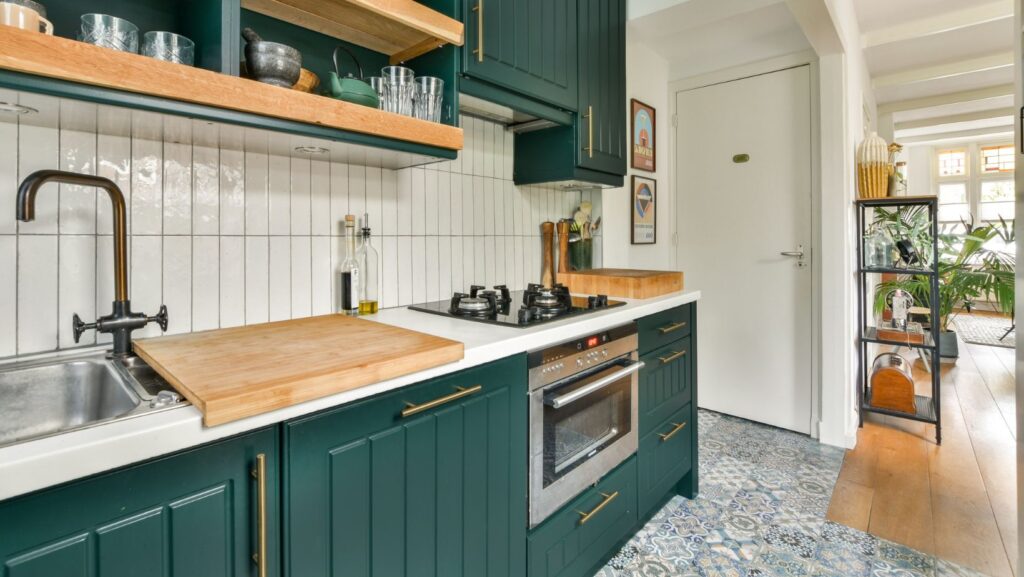
As we barely got through one of the hottest summers in a while in the UK, experts predict that July will be no less intimidating. With a high chance of heatwaves returning in areas such as England, as well as the Midlands, you still have some additional time to prepare your house and ensure you’re not cooking yourself in your own house.
The temperature inside your house can differ according to where the windows are located or what material was used in the construction, but some rooms are still hotter than others, such as the kitchen, where you cook and spend a lot of time. It can be difficult to keep it cool without air conditioning, so if you are on a budget and wonder what could make it livable, here are our best tips.
Lower humidity
While the high temperatures are difficult to survive, being both hot and humid is quite unbearable. Moisture can be controlled when cooking by covering pots, as range hoods usually cannot remove all the humidity. In addition, you can cook on the lowest setting of the stovetop, but using it less is best.
Lowering the humidity in the kitchen is overall a good decision, both for micro shaker kitchen and one designed in a more opulent manner, since this factor can affect furniture and the paint on the walls. One helpful tip is to have several plants across the kitchen, which contribute to moisture absorption, such as Peace Lily, Boston Fern, and the Snake Plant.
Manage the windows
While they’re great for providing natural lighting, this aspect is less important when all the heat is getting inside through the windows. So, regardless of how big or small the kitchen windows are, you should remember to keep them closed throughout the day and only leave them open at night, so that only the cold air will get in, and the temperatures inside will be maintained at pleasant levels.
You can take this tip to the next level by covering them with insulated curtains or blackout blinds that block light from entering and ensure the kitchen is cool throughout the day. A budget option for this tip is to use aluminum foil, which everyone has around the house and is inexpensive, on the windows, but it’s best if you place it outside the kitchen for higher reflection and maximum efficiency. If you place it inside, there’s a risk for the glass to overheat.
Use damp sheets and ice correctly
If you’re looking for fast relief from the heat, you can hang damp sheets around the kitchen or in front of windows, which will cool the air temporarily. This is a great tip also for when you’re cooking, but you need the water to be considerably cold to make a difference.
Ice is also efficient in this process, and works wonders when you’ve got a fan. Fill a bowl of ice and place it in front of the fan, so it will carry cool and damp air around the kitchen, or even in your direction. You don’t even need a fancy fan for this to work, as even the cheapest one will distribute the coolness.
Know which doors to close
If you live in a house with several rooms connected, you can lower the amount of heat inside by shutting the doors to unused rooms, so the cold air won’t escape in the entire hours. You should also try putting door seals or draught excluders on the doors to prevent the warm air from circulating, which is a great air management strategy.
This could also apply to rooms in general, as closing each is usually better. But one door you can leave open is the attic hatch (if you have one placed right), which will help reduce the temperatures in the house. Just make sure the attic is safe enough so no unwanted visitors can start roaming around the house.
Choose the right colour for the kitchen walls
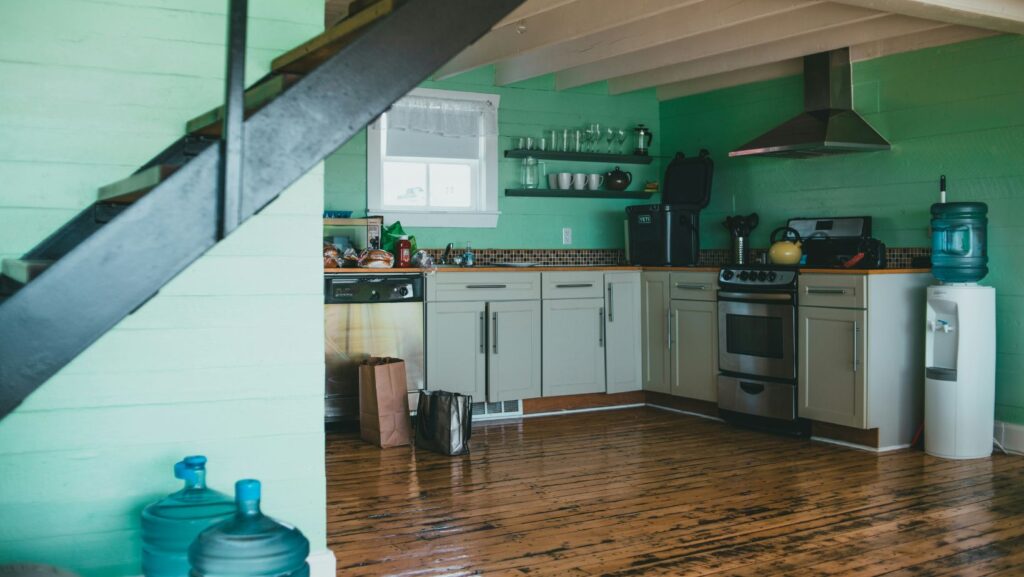
You should try and test this tip and see if it works, especially when you want to renovate the kitchen. Using brighter colours for the wallets, such as white, can help in reflecting the sun’s heat, making it feel colder. On the other hand, dark colours can absorb the heat, so it might be possible to feel much hotter in a dark blue room than in a baby blue one.
But if you’re not a fan of white walls, consider the following ideas:
- Mint green and off-white;
- Lavender and light grey;
- Blush pink and cream;
- Aqua blue and light lemon;
- Sky blue and sand beige;
Change your cooking habits
We know, this tip is always discussed when it comes to keeping the kitchen cool. But there’s a conflict between wanting to cook nutritious foods that naturally take a lot of time to be ready, and opting for cold plates. So, consider cooking at night, when possible, to allow all the heat to get out, and when you also leave the windows open, so the next day you only need to reheat the meals.
On the other hand, you can try new recipes that have a consistent nutritious value, because even if the body doesn’t need the same number of calories in the summer as in winter, you still need to survive in the heat, so consider having different pasta salads in which you can add tuna and various vegetables. Cold raw soups like gazpacho are also delicious, along with Vietnamese rice paper rolls, which you can fill with anything you have in the fridge. In other words, a Mediterranean diet during the summer is good for the kitchen and for your health.
Final considerations
As we’re waiting for another heatwave around Europe, you have the chance to prepare better and make the rooms in your house, such as the kitchen, feel much cooler than they are on a budget. So, we recommend that, besides cooking in a more Mediterranean style, you keep windows closed and covered during the day, lower the humidity when possible, and paint the walls in cold tones.